Exploring Laser Cut Round Abstract Decorative Panels
In the world of modern design, texture and dimension are often what separate a forgettable background from a captivating focal point. If you have been searching for a way to add intricate depth to your projects without overwhelming the core message, you need to look closely at Laser Cut Round Abstract Decorative elements. These are not just random shapes; they are precision-crafted digital assets that mimic the elegance of physical laser cutting. They offer a unique blend of geometric order and artistic fluidity, making them a go-to resource for anyone serious about high-end visual presentation.
The Anatomy of the Pattern: Precision Meets Artistry
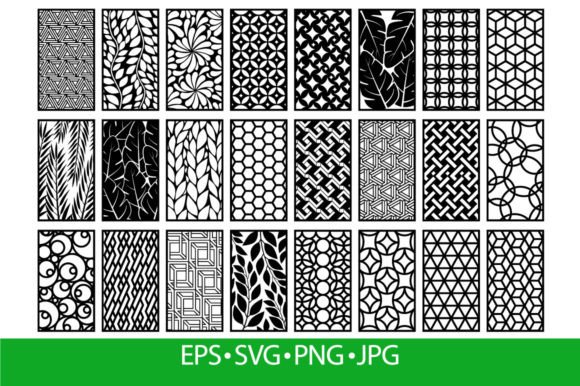
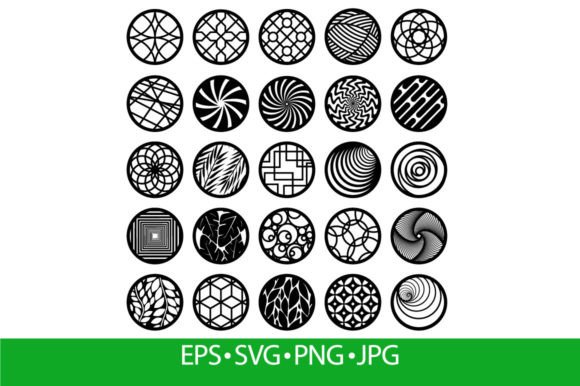
When we talk about Laser Cut Round Abstract Decorative patterns, we are referring to a specific aesthetic that balances negative space with intricate line work. Visually, these assets are characterized by their circular framing. The "round" aspect creates a natural focal point, guiding the viewer's eye inward. Inside that frame, you will find abstract motifs—sometimes floral, sometimes geometric, often a mix of both—that create a lace-like effect.
The "personality" of these designs is sophisticated and versatile. Because they are vector-based, they retain perfect clarity whether you scale them up for a billboard or shrink them down for a favicon. The visual appeal lies in the contrast. You have the rigid, mathematical precision of the circle clashing with the organic, flowing nature of the abstract cuts. This creates a visual tension that is incredibly engaging. It feels modern yet timeless, complex yet clean.
Real-World Applications: From Branding to Home Décor
Understanding what these assets look like is one thing; knowing how to use them effectively is where the real value lies. The versatility of Laser Cut Round Abstract Decorative patterns makes them indispensable across various industries. As a designer or entrepreneur, you can leverage these assets to elevate your work instantly.
Branding and Logo Design
In logo design, simplicity is usually key, but sometimes a brand needs to convey luxury, craftsmanship, or intricate service. These round abstract patterns work beautifully as background textures behind a logo or as a framing device. For example, a jewelry brand or a high-end wellness studio could use a subtle, gray-scale version of the pattern to create a watermark effect on business cards. It adds a layer of professionalism that standard shapes cannot match.
Digital and Web Design
On the web, user engagement is driven by visual interest. Using a Laser Cut Round Abstract Decorative element as a hero image overlay or a section divider can break up monotony. If you are designing a landing page for a tech company or a creative agency, placing these vectors in the background (with low opacity) adds texture without competing with the call-to-action buttons. They are excellent for social media graphics as well—think Instagram story backgrounds or LinkedIn banner accents that make your content look polished and intentional.
Packaging and Editorial Design
For physical products, packaging design is everything. These patterns translate exceptionally well to print. Imagine a matte black box for a luxury candle or a chocolate brand, featuring a spot-UV gloss print of a Laser Cut Round Abstract Decorative motif. The light catches the pattern differently than the rest of the box, creating a tactile experience for the eyes. In editorial design, such as magazine layouts or book covers, these assets can serve as chapter headers or page footers, adding a cohesive decorative element that ties the publication together.
Integrating Assets into Your Visual Identity
Consistency is the backbone of a strong brand identity. When you adopt a visual asset like the Laser Cut Round Abstract Decorative set, you are giving yourself a "visual language" to work with. However, integration requires strategy. You cannot simply plaster the design everywhere.
Think of these patterns as the "supporting actor" in your design hierarchy. Your typography and main imagery are the stars. The decorative panels should enhance readability and visual hierarchy, not hinder it. For instance, if you are using a bold sans serif font for a header, a delicate, intricate background pattern can provide the perfect soft contrast. Conversely, if your main content is text-heavy, use the pattern sparingly in margins or as a watermark to avoid visual clutter.
Font Pairing and Typography
Speaking of typography, the style of the Laser Cut Round Abstract Decorative pattern dictates how you should approach your font pairing. Because these patterns are often detailed and "busy," they pair best with clean, legible typefaces. A geometric sans serif font often works best for headlines, as the clean lines won't fight with the complexity of the background. If you want a more traditional or luxurious feel, a high-contrast serif font can complement the elegance of the laser-cut style. Avoid overly complex script fonts or handwritten fonts directly on top of these patterns, as the legibility will drop significantly.
Practical Guide to Selection and Implementation
When sourcing these assets, quality matters. You want files that are clean, scalable, and versatile. Here is a practical checklist for evaluating Laser Cut Round Abstract Decorative assets for your next project.
- Format Variety: Ensure the download includes vector formats like EPS and SVG. These allow you to edit the paths, change colors, and scale infinitely without losing quality. PNG files with transparent backgrounds are essential for quick drag-and-drop usage in software like Canva or Photoshop, while JPG files are good for mockups.
- Layering Capability: The best assets allow you to separate the elements. Can you remove the background circle and just use the abstract inner design? Can you change the color of the lines independently? Flexibility is key.
- Commercial Licensing: Before you use these in a client logo or on merchandise for sale, double-check the license. Most premium assets allow for commercial use, but it is your responsibility to verify that the rights cover your specific usage (e.g., print-on-demand vs. physical products).
Testing and Refinement
Do not just download and assume it works. Place the Laser Cut Round Abstract Decorative element into your actual design layout. Zoom out to 50%—can you still tell what it is? Does it create a moiré pattern (a visual vibration) that hurts the eyes? Sometimes, abstract geometric patterns can create optical illusions when scaled poorly. Test it in black and white to ensure the contrast holds up even without color. This testing phase is crucial for maintaining professionalism in your final output.
Elevating Your Creative Workflow
Ultimately, incorporating Laser Cut Round Abstract Decorative elements into your toolkit is about working smarter. Instead of spending hours trying to draw intricate vector paths from scratch, you can utilize these premium font companions and design assets to instantly add value to your work. Whether you are a small business owner creating your own flyers, a blogger designing a header image, or a professional designer working on a large-scale branding project, these patterns provide a shortcut to high-end aesthetics.
They bridge the gap between raw digital creation and the physical world of craftsmanship. By using these vectors thoughtfully—respecting negative space, ensuring readability, and maintaining brand consistency—you transform a flat design into something that feels tactile, expensive, and meticulously crafted. It is a subtle shift, but in the competitive world of visual communication, these details are what make your audience stop scrolling and start paying attention.