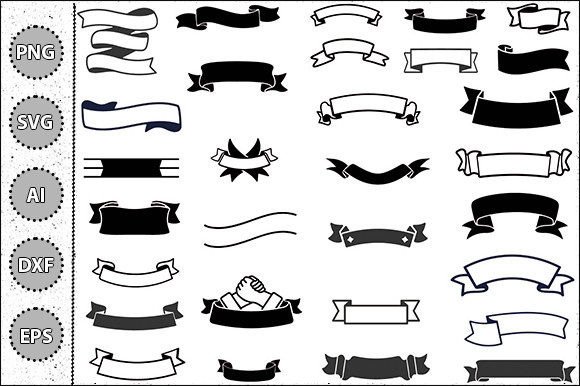
Ribbon Decorative Elements: Versatile SVG Cut Files for Crafters and Designers
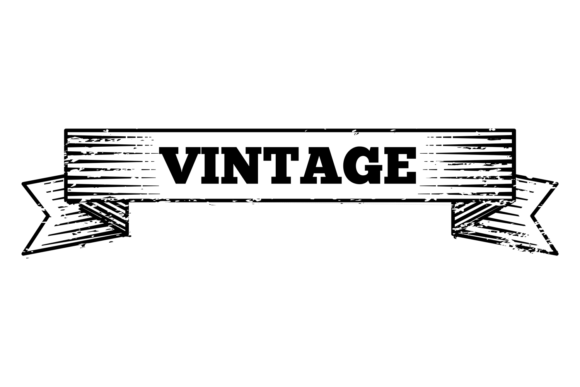
Finding the right graphic assets is often the most time-consuming part of any creative project. Whether you are designing a logo, preparing marketing materials, or working on a personal craft, the visual elements you choose define the final outcome. The Ribbon Decorative Elements-SVG Cut Files package offers a collection of 30 distinct designs, providing a versatile toolkit for a wide range of applications. This isn't just a single decorative asset; it's a comprehensive set of ribbon motifs ready for immediate use.
What's Inside the Digital Asset Package?
When you download this collection, you receive a complete suite of file formats designed for maximum flexibility. The package includes one digital .SVG file, one .PNG file, one .EPS file, one .Ai file, and one .DXF file, each containing all 30 ribbon designs. This variety ensures compatibility across different software, from Adobe Illustrator and Photoshop to free programs like Inkscape and cutting machine software such as Cricut Design Space and Silhouette Studio. The files are delivered at a high quality of 300 ppi, making them suitable for both digital screens and print projects where clarity is essential.
Visual Style and Practical Application
The appeal of these ribbon elements lies in their clean, adaptable aesthetic. They aren't overly ornate or tied to a specific trend, which gives them a timeless quality. This makes them ideal for projects where you need a touch of elegance or a decorative accent without overwhelming the main content. Think of them as the design assets that can tie a visual composition together, much like a well-chosen font pairing can harmonize a layout.
In brand identity work, a subtle ribbon motif can be incorporated into a logo or used as a recurring graphic element on business cards and letterheads, adding a layer of sophistication. For packaging design, ribbons can frame product names or highlight special features, enhancing shelf appeal. Bloggers and content creators will find them useful for creating engaging social media graphics, where a ribbon can underline a key message or act as a banner for promotions. The possibilities extend to editorial design for magazine layouts, web design for website headers or button accents, and even personal projects like greeting cards, scrapbooking, and DIY crafts.
Integrating Elements into Your Design Workflow
Using these decorative elements effectively requires a bit of strategic thinking. First, consider the overall tone of your project. A sleek, simple ribbon style might complement a modern typography setup with a sans serif font, while a more ornate, flowing ribbon could pair beautifully with a script font or a classic serif font for a traditional feel. The goal is to create visual harmony, not competition.
Think about the role the ribbon will play. Is it a primary focal point or a supporting accent? For a logo, you might use a single, bold ribbon integrated with the lettering. For a social media template, multiple smaller ribbons could create a consistent frame. Always test how the element interacts with your text. Ensure there is enough contrast and spacing so that the ribbon enhances readability rather than hindering it. This is where the value of having 30 different designs becomes apparent—you can experiment to find the perfect fit for each specific application.
Making the Most of Your Investment
Choosing the right premium font or creative font often comes down to licensing and versatility. The same principle applies to graphic assets. The Ribbon Decorative Elements package is structured for both personal and commercial use, which is a crucial consideration for entrepreneurs and small business owners. You can confidently use these designs in products you sell, marketing materials you create for clients, or your own brand's assets.
Before finalizing your choice, evaluate the project's needs. Does the style of the ribbons align with your brand's personality? If your brand is minimalist and modern, you might use the elements very sparingly. If your brand is more classic or celebratory, the ribbons can be featured more prominently. It's always a good practice to preview the designs in context. Mock up a quick layout in your design software to see how they interact with your chosen typeface and color palette.
This collection functions as a versatile component within a larger design assets library. It can be combined with other graphic elements, textures, and, of course, a carefully selected font—whether that's a handwritten font for a personal touch, a display font for impact, or a clean commercial font for body copy. The key is to use these ribbons as a tool to enhance your message and strengthen your visual communication, ensuring your final project is both professional and engaging.