Vintage Label Template: Blank Decorative Style Guide
There is an undeniable charm to the aesthetics of the past. In a digital world dominated by sleek, minimalist sans serif font choices and flat design, the tactile, ornate nature of vintage design offers a refreshing pause. For designers, entrepreneurs, and content creators looking to tap into this nostalgia without spending hours drawing intricate borders from scratch, the Vintage Label Template. Blank Decorative resource is an indispensable tool. It is not merely a picture; it is a versatile design asset that bridges the gap between historical elegance and modern functionality.
The Anatomy of Nostalgia: Visual Characteristics
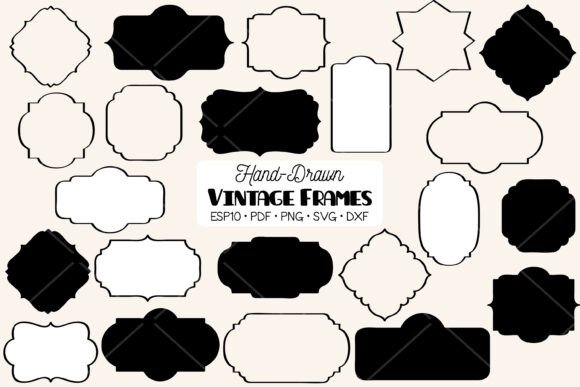
When you first encounter a Vintage Label Template. Blank Decorative file, you are met with a specific visual language. These templates typically feature hand-drawn linear borders, filigree flourishes, and motifs inspired by Victorian-era typography and packaging design. The visual personality is one of authenticity, craftsmanship, and heritage. You will often find ornate scrollwork, subtle texture, and balanced symmetry that suggests a premium font or engraving style.
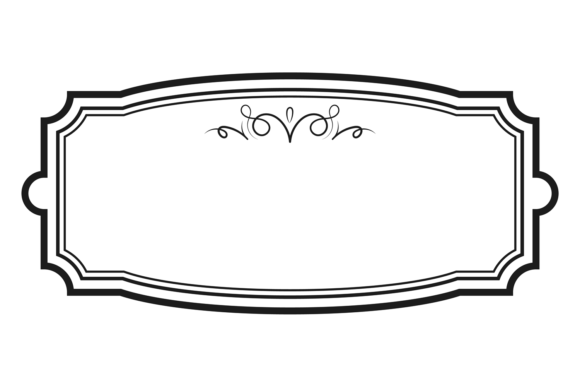
The "blank" aspect is crucial. While the decorative elements provide the frame, the center remains open. This negative space is where the magic happens. It invites you to insert your own modern typography—whether that is a bold display font, a delicate script font, or a clean sans serif font—to create a striking contrast. The appeal lies in the versatility of the format. Whether provided as an EPS for infinite scaling or a transparent PNG for quick drag-and-drop usage, the visual weight of the template grounds your design immediately, lending it a sense of established authority and timelessness.
Strategic Applications: Where Vintage Meets Modern
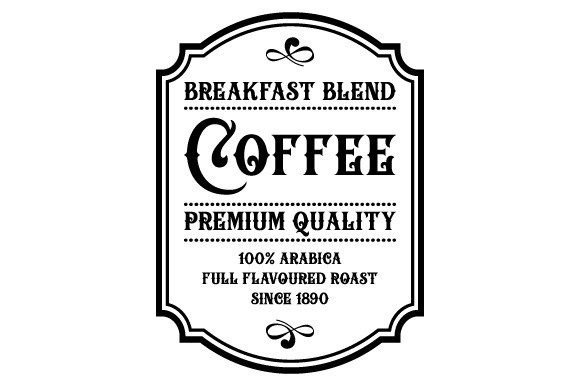
The utility of a Vintage Label Template. Blank Decorative extends far beyond simple scrapbooking. For small business owners and brand strategists, these assets are powerful tools for building a distinct brand identity. Consider a craft brewery, a boutique coffee roaster, or an artisanal soap maker. Using these templates for packaging design immediately communicates a focus on quality and tradition. It tells the customer that the product inside is made with care, mirroring the care taken in the label’s design.
For digital marketers and bloggers, these templates offer a way to break through the noise of social media graphics. An Instagram post featuring a vintage border often stops the scroll because it feels different from the standard, algorithm-friendly templates everyone else uses. It works beautifully for announcements, sale tags, or quote cards. In editorial design, these elements can be used as drop caps, pull quotes, or chapter headers to add a layer of sophistication to digital magazines or PDF lookbooks. Even in web design, a subtle vintage border can be used to frame a testimonial section or a call-to-action button, adding a touch of personality to an otherwise standard layout.
Influence on Brand Perception and Engagement
Typography and design assets do more than just look good; they shape how an audience feels about a brand. When you integrate a Vintage Label Template. Blank Decorative into your visual hierarchy, you are borrowing from the psychology of history. Vintage styles often evoke feelings of reliability, trust, and comfort. In an era of rapid change, consumers often gravitate toward brands that feel "established" or "classic."
However, the key to success is balance. Because these templates are rich in detail, they can easily overwhelm a design if not handled with care. This is where the principles of modern typography come into play. You must ensure readability remains the priority. If the decorative border is thick and heavy, pair it with a clean, legible typeface for the body text. If you use a script font inside the label, ensure the x-height is sufficient for legibility at smaller sizes. The template should enhance the message, not compete with it. When done right, this combination of vintage flair and modern clarity creates a memorable visual signature that boosts brand recognition and audience engagement.
Practical Guidance for Designers and Creators
To get the most out of a Vintage Label Template. Blank Decorative, you need to approach it with a strategy. Here are practical tips for evaluating and implementing these design assets:
- Evaluate the Format: Look for bundles that include vector files (like EPS or SVG) alongside raster files (JPG or PNG). Vectors are essential for logo design and large-format printing because they scale without losing quality. Transparent PNGs are perfect for quick digital mockups or layering in Photoshop.
- Check the Licensing: If you are a commercial font user or a business owner, verify the license. A "premium font" or asset license usually covers commercial use, but free resources might have restrictions. Always ensure you have the rights to use the template on products for sale, such as merchandise or packaging.
- Master the Font Pairing: The blank center is a canvas. Avoid pairing an ornate vintage border with an equally ornate vintage font; this creates visual clutter. Instead, try pairing it with a geometric sans serif font for a trendy, eclectic look, or a traditional serif font for a cohesive, old-world feel. If the border is linear and thin, a bold display font works well to anchor the center.
- Test for Scalability: Before finalizing a design, test the label at the size it will be viewed. A border that looks elegant on a computer screen might look like a messy blob on a small business card. Zoom in to check the details and zoom out to check the silhouette.
Ultimately, the Vintage Label Template. Blank Decorative